

Blog Summary:
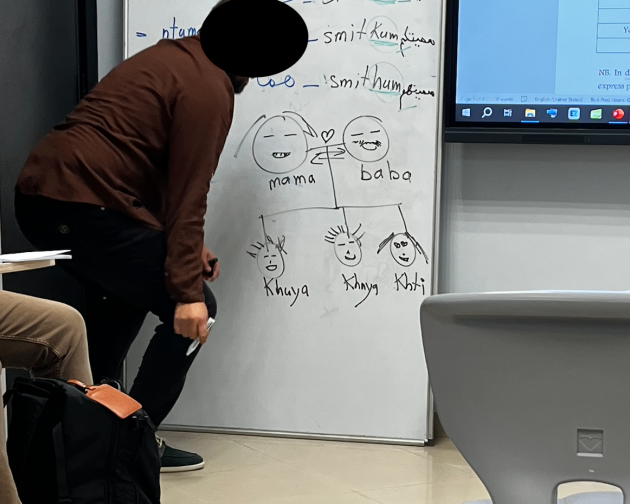
- You are required to take Moroccan Colloquial Arabic (darija) in Meknes and Modern Standard Arabic (fusHa) in Rabat.
- You will probably have classes and cultural activities at the English Highway in Meknes.
- While in Meknes you should visit the museum of Meknes, the museum of music, the christian cemetery, a movie theatre with friends, and a hammam (either spa or traditional).
- You will be some form of naked in the hammam and the technicians will yank you around like taffy on a hook. It is a wonderful experience, I promise.
- I recommend having some proficiency in French or Arabic before you arrive just to make life easier and ensure you have access to all opportunities.
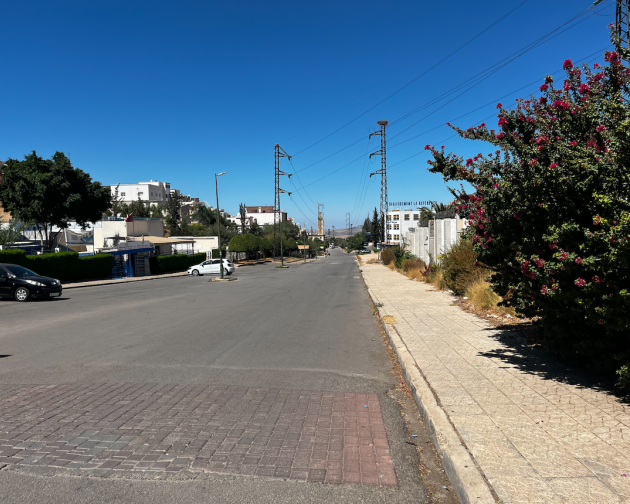
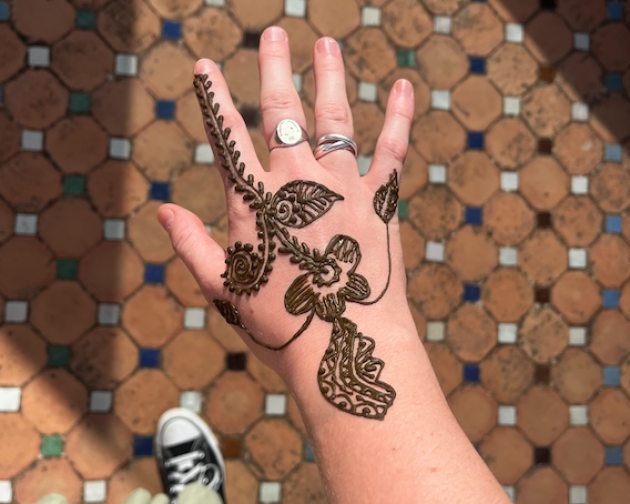
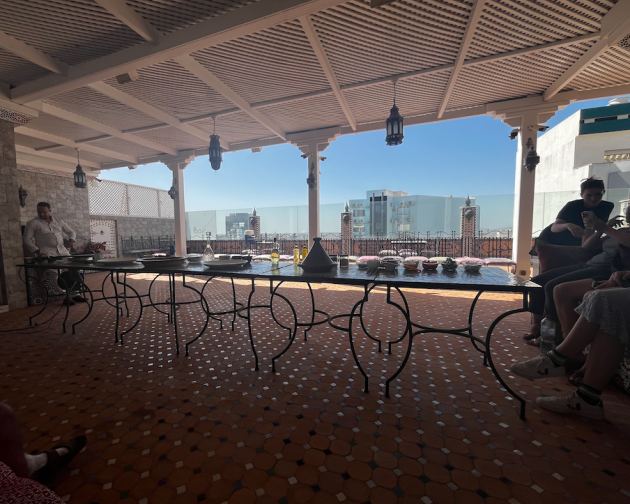
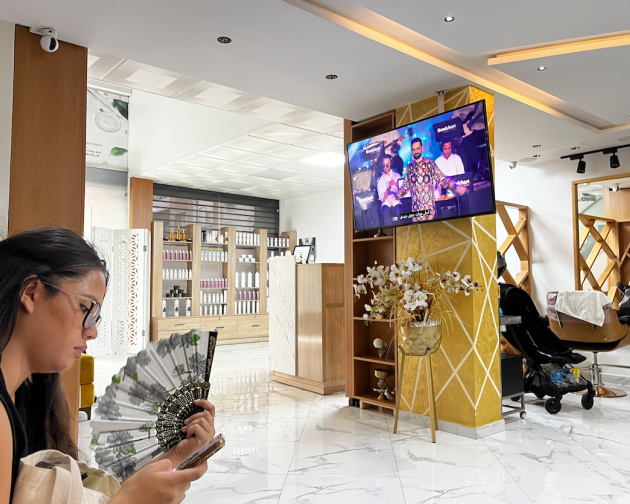
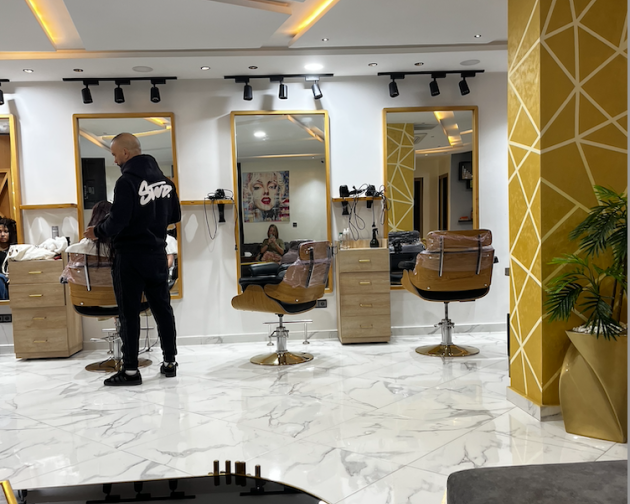
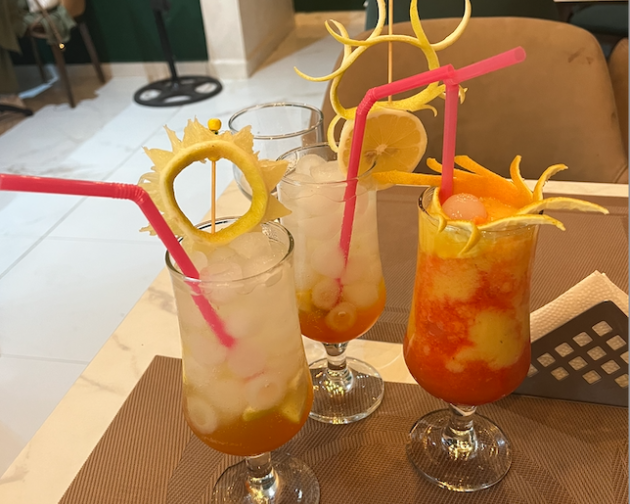
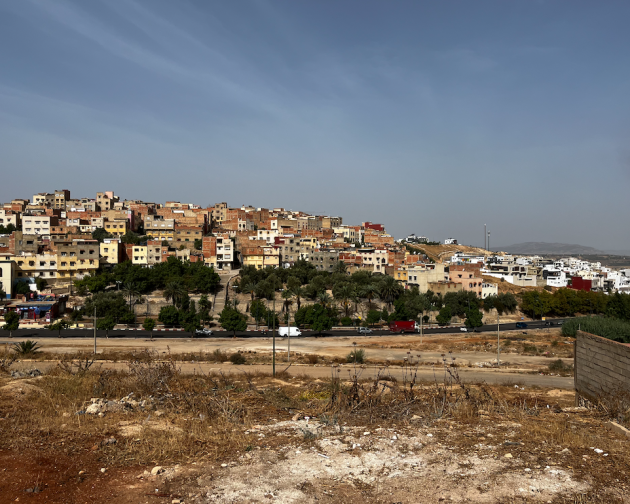
You will spend your first week in Morocco in the city of Meknes taking Intensive Moroccan Colloquial Arabic in the morning for three hours before heading back to your homestays for lunch. In the afternoon you will return to the center for cultural activities such as a henna party, African dance lesson, and cooking lesson. In my cohort, we had classes and cultural activities at The English Highway, it's a very central location that's pretty equidistant from everyone’s homestays but do expect to SWEAT on your walk there. The main things to do in Meknes that won’t be covered in the tour of the city you will go on include the Meknes Museum, the Museum of Music, the Christian Cemetery, going to the movies with friends, and going to a hamam (I went to BeZen Spa where I got a black henna soap scrub down, exfoliation, massage with essential oils, and a blowout for $25 USD).
You will either hate the hammam or love it and there is not in between. Be prepared to have your boundaries crossed in some way or another but you will come out five pounds lighter thanks to all of the dead skin the technicians scrub off of you. You will be naked, so be prepared - I was not but maybe it was better that way. Black henna soap may also not be the move for pale people if you are not getting exfoliated because before I was scrubbed down there were a few good minutes I was yellow. I did smell like boba though. I was also able to communicate with the spa technician in french which gave me some comfort but my friends who came along with me spoke no french or arabic so they were a little more stressed.
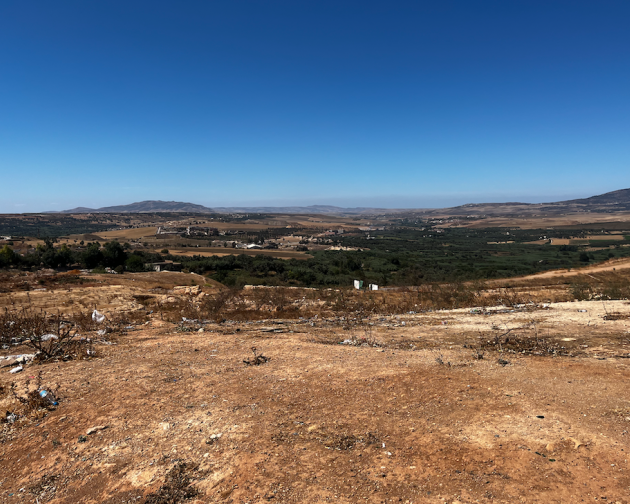
French, Modern Standard Arabic (fusHa), Moroccan Arabic (darija), and the language of the Amazigh people are the most widely spoken languages across Morocco. You will learn some darija in Meknes, but not enough to fully survive yet and you will learn fusHa Arabic in Rabat but this will take the whole semester. Some people in Rabat speak English but they are few and far between and essentially no one in Meknes speaks English. This applies to your host families, as well. Some host families may not even know French. I would like to emphasize that not being able to clearly communicate with your host family should not deter you from studying in Morocco. Pantomiming is wonderfully efficient and in a worst case scenario, our phones have access to thousands of translation services. Though I would still recommend proficiency in French so you can have full access to all internship/course opportunities and general ease of life.
More Blogs From This Author


Returning Home
Blog Summary:
If you study abroad during the fall semester then you can wrap up the souvenirs for your family and friends and treat them as Holiday gifts
Some...

Zanna Anderson
Hi! My name is Zanna and I am a junior from The College of Wooster studying abroad in Rabat, Morocco for the Fall 2025 semester. My majors are Global Studies and Statistics and Data. I also speak English and French and I am excited to learn Arabic.

