Let’s talk about the big question: how do you balance the “study” and the “abroad” parts of study abroad?
Short answer: you don’t.
Long answer: you can get close. And the answer is a little bit longer than that. The long answer gets into strategies that you can employ in order to make your study abroad experience is wholly encompassing of both the studying and abroad parts of studying abroad. And still, it’s never going to really feel balanced.
But, after studying abroad at one of the top institutions on the whole continent of Africa, here’s what I learned.
1. Before you go, set yourself up for success.
Do your research about your specific location, the schooling system, the extracurricular activities offered, professors, the classes that you’re planning on taking. And if you can’t find anything online, reach out to peers or people who went on the study abroad experience before you. Your school’s study abroad center can likely put you in contact with someone who went on your program or to the country that you are interested in, and getting to hear their experience would likely be very helpful! Try to find out as much as you can about where you’re going, and the history and context shaping the place and local communities. With this research, make sure that you have a good understanding that living and learning in another country is a lot. Classes, extracurriculars, nothing will be able to be at the caliber it was at your home institution, because again, you’re in a new country. Outside of class, as well as in class, you are constantly learning and navigating newness. Knowing all of this will help you get settled in and adjust. But once you’re actually abroad… that’s when things get real.

2. During your time abroad, try to maintain a balance.
One of the hardest challenges to studying abroad is navigating balance, and it’s not easy, there’s definitely no “correct” or “right” way to navigate balancing it all. For me, two things made navigating this balance easier: study groups and schedules (again, this is what worked for me). I loved having a study group for classes. This allowed me a way to meet new people, collaborate, learn from others, and stay on track with the rest of the class. Plus, sometimes you really do need someone else to say, “Yeah… I have no idea what’s going on either.” Schedules were my second lifesaver. I am a type-A person, so lists, schedules, and organizing are my thing, and during my time abroad, Google Calendar became one of my pinned tabs. Setting dedicated time to study outside of class at least three times a week to review notes, do readings, work on assignments, allowed me to make steady progress from the very beginning of the semester. And when you schedule that time, it’s important to treat it as fully dedicated time: distractions away, brain on. That way, when you finish for the day, you’re actually done. So later, when you're watching a movie with friends, you’re not silently stressing about work. What didn’t get done today will get done tomorrow.

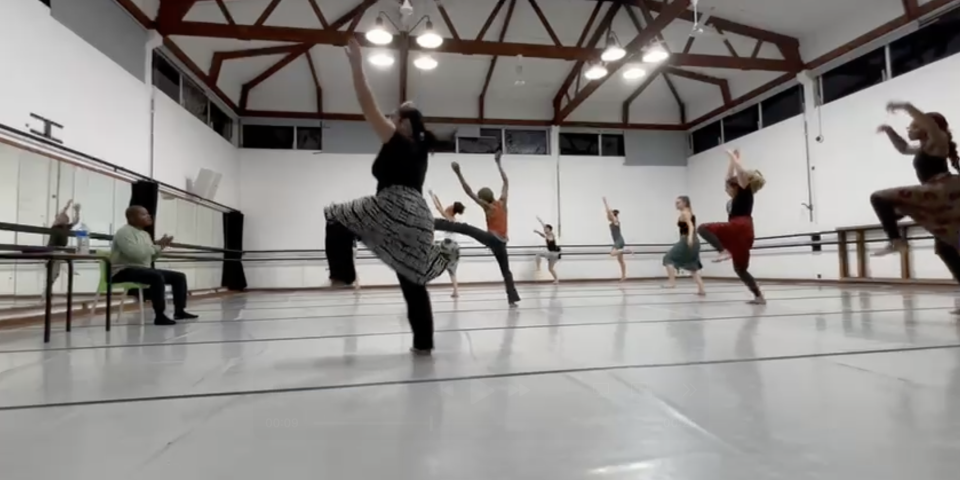
And finally, all of this only works if you understand your body, your brain, and the different types of rest you need. There are different types: physical, mental, emotional, social, creative, and more. Learning about the different types of rest genuinely changed how I navigated my time abroad. For me, I necessitated creative and social rest by taking an African dance class. It let me express myself, meet new people, recharge in a low-pressure environment, and honestly became one of the highlights of my week. Remember: you’re navigating new friends, a new school, a new environment, a whole lot of newness all at once. So be kind to yourself. Be patient with yourself. Learn your limits. And recognize what rest you need and when you need it.
3. After being abroad, what happens?
And to this… it’s something that I can’t fully answer. I only left South Africa about a week ago, I know that the lessons that I carry with me are heavy, the experiences I made will shape me for life and still, how this experience will shape the next few semesters is something I’m still discovering. All I know is that Cape Town is going to stay with me in ways I haven’t even realized yet. And for that, I owe a huge thank you to Cape Town. A huge thank you to the wonderful people at IES Abroad Cape Town, to my IES Cohort, and to my friends at UCT, for shaping my experience into what it was and for gifting me the best 5 months a girl could have asked for. Whatever comes next, I’m grateful to be taking a piece of Cape Town with me.

More Blogs From This Author


A "Thank You" to Cape Town
Closing out my Cape Town adventure! Come with me as I say Thank you to Cape Town!


Chi Chi Okezie
Hi! My name is Chukwubunkem Okezie (Chi Chi, if you want). I’m a low-income Nigerian-American student studying Sociology and Statistics with a passion for exploring the intersections of identity, equity, and global health.