

I took my first solo trip when I was 17. I had an adventure of a lifetime, hitting the streets of LA in the summer sun. Since then, I’ve set aside any extra cash I’ve earned for my two favorite experiences: trying new foods and traveling the world.
Solo traveling with a disability brings unique challenges. When I was diagnosed with autism and ADHD, or “AuDHD,” I finally had the language to describe my inner world. Some days, I wake up ready to take on anything. Other days, even simple tasks can feel debilitating. I find AuDHD especially contradictory as an extrovert: while I love socializing and making friends wherever I go, I need time and space to recharge when I’m overstimulated.
With each new destination, I’ve grown to acknowledge and even celebrate my neurodiversity. Along the way, I’ve discovered accommodations that have made adjusting to a new environment much easier. Read along for my go-to tips for sensory-friendly travel!
Choose your destination
Looking for a lively nightlife scene or a quiet mountain getaway? The first (and often hardest) step is deciding where you’re going. Some locations may be more neurodiverse-friendly than others. It’s important to do your research on each option based on your priorities, including your sensory needs.
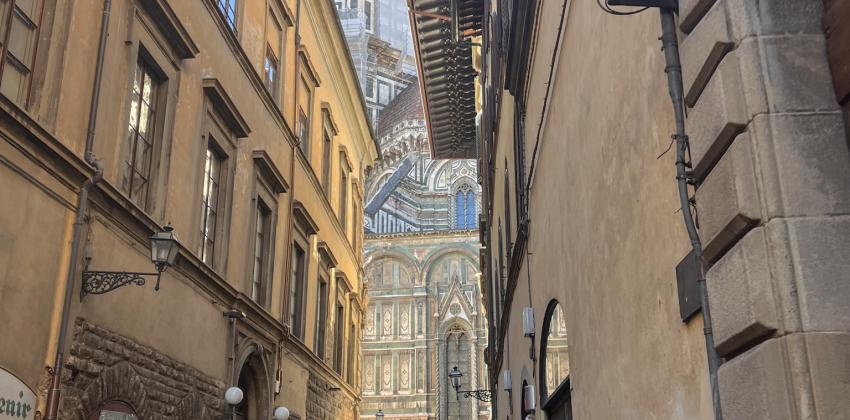
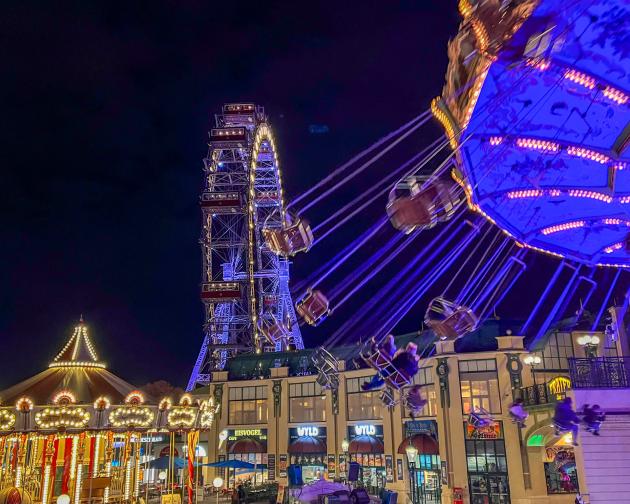
For me, the decision was simple. I knew I wanted to visit a place with rich culture, great food, and city life. Booking all of my tickets and accommodations in September ensured that I was more than ready for the journey by the time my fall break arrived in late October. Florence and Vienna, here we come!
Pack your essentials
As a loyal one-bag traveler, I always make a list of essentials. I carry an emergency kit everywhere, filling it with everything I need to stay energized throughout the day. On long flights or train rides, I bring my rings and other small handheld items to stim when I need movement. I pack cozy, breathable layers to help regulate my body temperature. Of course, I could never leave the house without my emotional support headphones—perfect for reducing loud background noise and for jamming out to curated playlists.
Check out the full packing list below for my recommendations:
- Emergency kit: lip balm, deodorant, tissues, and padlock
- Sensory items: rings, oil pastels, journal, and pen
- Medical supplies: ADHD medication and testosterone
- Food & drink: water bottle and snacks of choice
- Cozy layers: light sweater, thermals, and fuzzy socks
- Technology: laptop, powerbank, digital camera, and headphones
Seek out sensory experiences
I love trains. Just like every other autistic person you may know. All jokes aside, regional transportation is truly the way to go. Not only did I save money on a connecting flight, but I also took the scenic route through the Italian countryside on a €10 train. Talk about enjoyable and affordable!
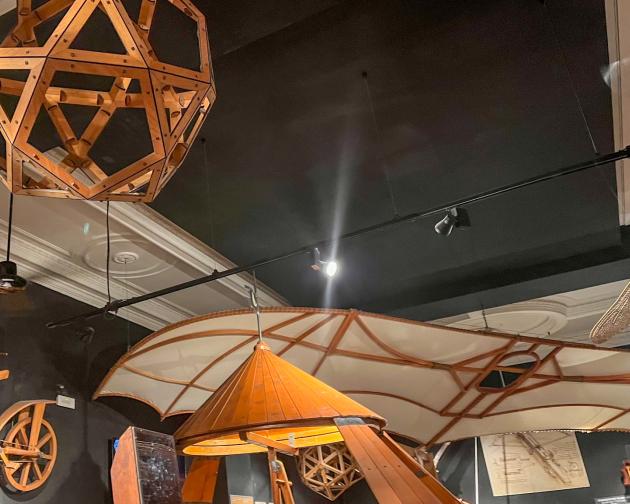
On my last day in Florence, I visited the Leonardo da Vinci Interactive Museum. With scale models of Leonardo’s inventions, this family-friendly museum is one of the few where you’re encouraged to touch everything. The room buzzed with laughter as kids and adults alike tested out levers, pulleys, and gears. It was a perfect moment for my inner child.
Embrace special interests
Renaissance art was one of my first special interests. For autistic people, a special interest can be a deep and intense interest in a particular activity or area of knowledge. I fell in love with the idea of being a “Renaissance person,” taking after some of the world’s greatest thinkers. By the end of my 48 hours in Florence, I had fully immersed myself in the creative minds of Leonardo, Michelangelo, and Galileo.
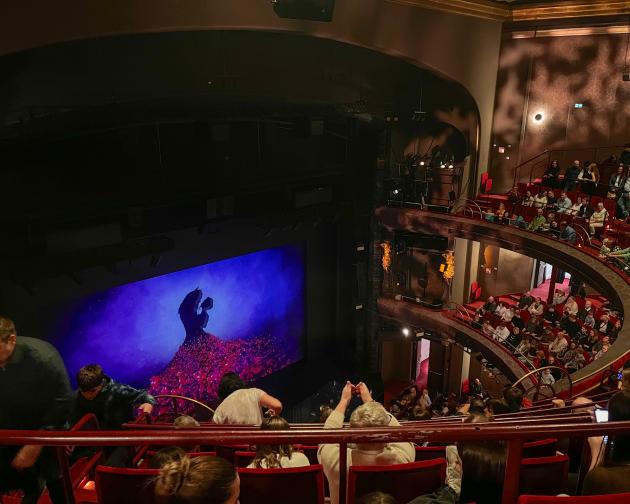
As a musical theater kid, I booked a ticket to Disney’s musical Die Schöne und das Biest (“Beauty & the Beast”) at the Raimund Theater. Watching my childhood classic in Vienna’s historic theater even helped me pick up a few new words in German. It was truly something special. That’s why I always say that a solo trip is the best opportunity to explore what brings you joy.
Practice self-advocacy
Like many on the spectrum, I often have trouble processing speech. Sensitivities to light and sound can make it harder to focus on a conversation. I take longer to speak, especially when speaking in a language other than my first. To prevent misunderstandings, I ask clarifying questions. I sometimes ask people to repeat instructions to know that I understood them completely.
When requesting formal accommodations, I make sure to be specific about what I need to feel my best. I request a “sensory room” in advance for any larger events I attend. Even if I don't end up using the quiet space to regulate myself, it’s comforting to know that the option is always there when I need it. Who knows? Someone else may also benefit from the accommodation, and you would’ve been glad to have advocated for yourself.
Bringing headphones everywhere I go is one strategy I use to reduce overstimulation. Even when there’s no music playing, wearing headphones minimizes background noise and allows me to think clearly. In a world designed for neurotypical people, creating your own accommodations is one way of taking up space.
Prioritize rest
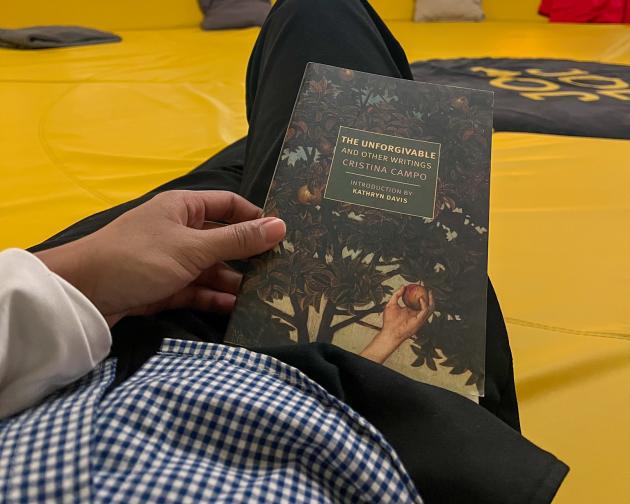
Near the end of my weeklong trip, my body knew that it was time to slow down. I started looking for low-stimulation activities to give myself time to rest while soaking up the city’s culture. After taking a walk with a new friend in the Stadtpark, I returned to my hostel early to relax on their modular couches. With privacy curtains, ambient lighting, and a “pizza-shaped” sunken lounge, JO & JOE Vienna offered plenty of spaces to unwind with a good book.
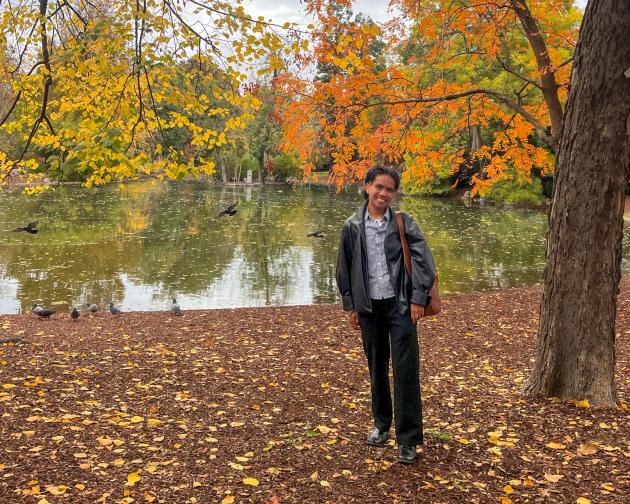
Setting boundaries is key to balancing time for exploration and rest. Sometimes, it can be finding a peaceful spot by the pond in a crowded city. Other times, it can look like turning down an invitation to late-night karaoke, knowing you’ll have the opportunity to join your friends once you’re recharged. No matter how you choose to spend your time, solo travel is a rewarding journey I recommend everyone take at least once.
More Blogs From This Author

Wish You Were Here: Grieving a Loved One While Abroad
Honoring Filipino traditions of love and remembrance, an ocean away from home



Sasa Ramos
Born and raised in San Francisco, I'm a city kid at heart. I'm dedicated to bringing the first-gen experience abroad to life. You'll find me line dancing all night long, curating playlists for every mood, and sharing my culture through Filipino food.

