There’s no place like Rome. With its abundant architectural and artistic riches, Rome celebrates more than 2,500 years of history. Think about it: you will be enveloped in the Roman past—the Colosseum, the Pantheon, the Spanish Steps, Trevi Fountain, St. Peter’s Basilica—while enjoying all of the modern-day cultural jewels that the city has to offer. Why wait a minute longer? Indulge in Rome’s splendor—and did we mention the food?—as soon as possible.
Rome is arguably one of the most beautiful cities in the world. The city’s famed seven hills offer sweeping vistas of the city. The Tiber (Tevere), Rome’s famous river, offers romantic promenades. Rome has been an important city for close to 2,500 years and the city’s long history is visible on many of its streets and by-ways.
Rome is a modern, vibrant city, the seat of the Italian government, and an international meeting place. Native Romans are a welcoming people happy to share their culture and cuisine with visitors. Romans are often warm and emotional and have strong family ties. Contemporary Rome is also a cosmopolitan city that attracts immigrants from all over Italy and the world.
Rome's location is ideal for those who wish to get to know Italy. It is a hub for trains leading to all major Italian cities and regions, and the city is close to Mediterranean beaches and the scenic mountains of central Italy.
As an important cultural and artistic center today, Rome has a wealth of cultural treasures. Numerous distinguished art museums, historic churches and basilicas, and ancient monuments are found throughout the city along with many options for cinema, theater, music, and dance.
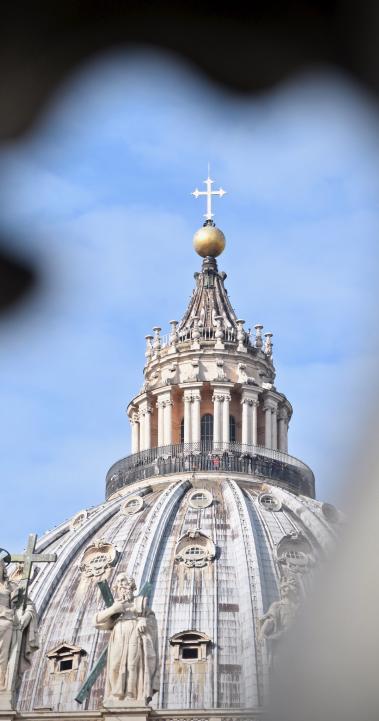
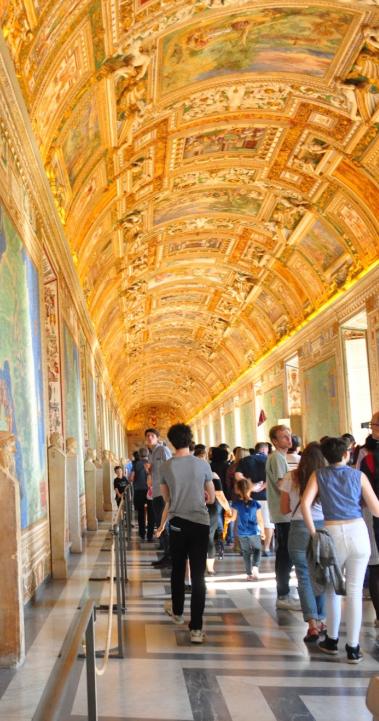
Located entirely within the city of Rome, Vatican City is the smallest country in the world. Officially the headquarters of the Roman Catholic Church, Vatican City is also home to the colossal St. Peter's Basilica and the Sistine Chapel. The Sistine Chapel is a must-see, with wall-to-wall frescoes from some of the most famous Renaissance artists, including Michelangelo and his The Last Judgement.
The Pantheon, meaning "to every god" in Greek, was built more than 1,800 years ago. Originally a temple for all pagan gods, it was converted into a church in 609. Now, it houses the tombs of the famous artist Raphael and several Italian Kings, and serves as an attraction to be marveled by visitors around the world.
"There's nothing better than sitting in the piazza in front of the Pantheon, sipping coffee, and people watching in front of the colossal thousand-year old monument." -Marsia T., University of Michigan
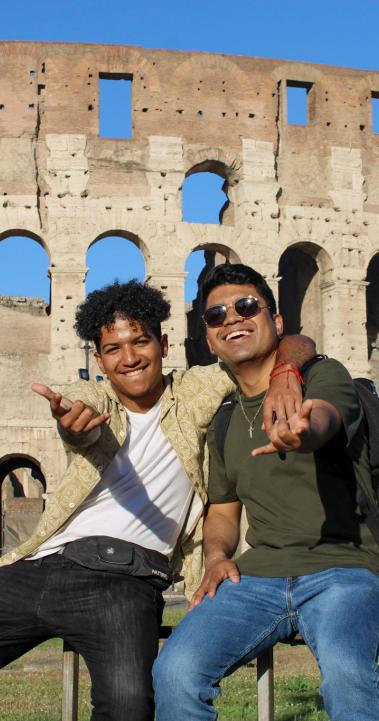
The Colosseum is the most recognizable structure in Rome. Once an ampitheatre for gladiator contests and spectacles, it could hold up to 50,000 people; truly an accomplishment for the time. Steps away is the Roman Forum, which served as the center of political and social activity in ancient Rome."[My favorite landmark was] the Colosseum. I believe I'm biased in my answer because I lived 15 minutes walking distance from the Colosseo Metro stop." -Dorian C., Wake Forest University
The Trevi Fountain is the largest fountain in Rome and boasts a magnificent scene of Triton, the Greek god of the sea. Legend says that if you toss a coin into Trevi, you will return to the "Eternal City." After tossing your coin into the fountain, head over to the Spanish Steps to partake in a favorite Italian tradition - people watching while sipping coffee!
Vertical Tabs