Tokyo will challenge you to experience the world in new ways as you immerse yourself in a culture that combines fast-paced modernity with age-old traditions. This program is excellent for serious students at all levels who seek to study Japanese language in an intensive 6-credit course. You will have the chance to practice your Japanese language skills at IES Abroad-organized events and workshops, and by extending your classroom learning as you explore the giant metropolis that is Tokyo. Travel outside of the city for an overnight trip in Nikko. Explore Nikko's shrines and temples, which are an UNESCO World Heritage site, practice Japanese wood carving, and spend the night in a traditional ryokan inn with onsen baths.
Tokyo, Japan
Summer


At a Glance
Program Dates:
- 2027 Summer: Late May - Early July
Credits:
6 per Summer
Estimated Cost:
$8,885
Visa Required:
Maybe
Housing:
Hotel
Language of Instruction:
Japanese
Language Prerequisites:
None, but a basic working knowledge of hiragana and katakana alphabets is required.
About the Program
Program Advisor

Patrick Sheehan
From housing to course registration and everything in between, I’m here to help you prepare to study abroad. Once your application is accepted, I will be sharing with you all the details you need to know before you depart. You can also contact me directly with specific questions and concerns.
About the Destination
Why Tokyo?
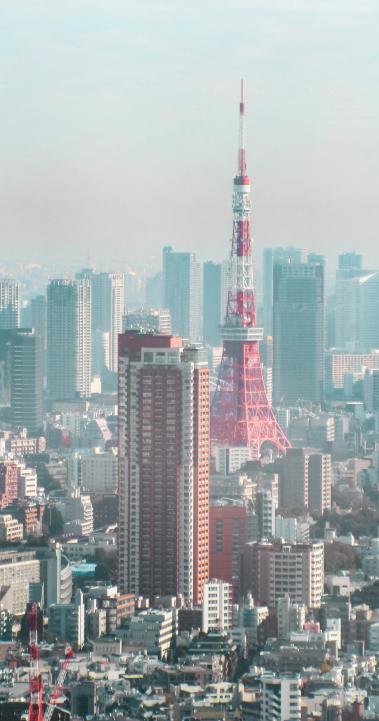
Tokyo is a city uniquely its own. It can appear straight from the future with its ultramodern skyscrapers, bright lights, and technology. Mix that with well-maintained and cherished traditions, like tea ceremony, festivals, and kimonos still worn in the streets, and you have a glimpse of Tokyo. Explore all of this and more in this one-of-a-kind city.
Tokyo Newsletters
Get a taste for what it's really like to study abroad. The IES Abroad Tokyo Center regularly sends out a newsletter called the Tokyo Shinbun. To see students experiencing the city, read through the latest volumes.
The Student Experience


Before I go - First Post for Tokyo
My first post before Tokyo, the leadup to travel, and how I prepared for it.


Program Dates
2027 Summer
Program Dates:
Late May - Early July
Application Deadline:
Academics

You enroll in one required 6-credit Japanese language course, Japanese Language in Context. Courses are offered based on on-site student placement test results and usually include five to six language levels.
Wherever possible, our experienced instructors integrate course-related trips and project-based performance activities with regular coursework.
Courses
This is a list of potential course offerings. The final courses and the student level placement will be decided after completion of a language placement test administered during orientation.
To learn more about IES Abroad’s innovative theoretical and pedagogical approaches to teaching language abroad, refer to the IES Abroad MAP for Language & Intercultural Communication.
PLEASE NOTE:
- No previous language experience is required at the time of application, however all students must have mastered hiragana and katakana before the program starts. Self-study materials will be provided to all students accepted in the program to help with this requirement.
- Below is a list of planned course offerings. After you are accepted, you will see a list of final course offerings in your Student Portal. Additionally, IES Abroad reserves the right to cancel a course due to insufficient enrollment or circumstances beyond our control.


IES Abroad Courses
Japanese (6)
| Course name | Term | Language | Credits |
|---|---|---|---|
| JP 101i - Japanese Language in Context Novice Abroad I | Summer | Japanese | 6 |
| JP 102i - Japanese Language in Context Novice Abroad II | Summer | Japanese | 6 |
| JP 201i - Japanese Language in Context Novice Abroad III | Summer | Japanese | 6 |
| JP 202i - Japanese Language in Context Novice Abroad IV | Summer | Japanese | 6 |
| JP 301i - Japanese Language in Context Emerging Independent Abroad I | Summer | Japanese | 6 |
| JP 302i - Japanese Language in Context Emerging Independent Abroad I | Summer | Japanese | 6 |
Requirements
- 18 years of age
- In good standing at your home school
- 2.75 cumulative GPA or better on a 4.0 scale (GPAs between 2.50 and 2.74 on a 4.0 scale will be considered on a case-by-case basis. Students with a GPA below 2.50 are ineligible).
- Sophomore, Junior, or first-semester Senior standing when program begins. Neither graduating second-semester Seniors nor college graduates are eligible for this program.
- No previous Japanese language study is required
About the IES Abroad Center

At each of our destinations, the Center is a hub where our highly trained local staff can provide on-the-ground support throughout your time abroad.
The IES Abroad Tokyo Center is located in Makuhari, a modern city in Chiba prefecture, which is in the Greater Tokyo Area.
IES Abroad Tokyo Staff

Mariko Ishikawa
Field Placement Program, Homestay & Customized Programs Coordinator

Hyung-Hye Lee
Student Affairs Manager

Daiji Shin
Associate Director

Mayu Tomioka
Student Success Coordinator

Asako Nemoto
Customized Program Assistant / External Outreach Coordinator
Housing

Hotel
You will live in a single room hotel accommodation conveniently located in eastern Tokyo. The hotel has restaurants and cafés on dedicated floors and a convenience store in the lobby that has a good selection of fresh foods and beverages. You may also choose to explore the various affordable local restaurants in the neighborhood. No meal plan is provided and cooking facilities are not provided.
Field Trips
Even though your adventure starts in Tokyo, our field trips take you beyond the city to discover the culture and traditions of your host country. All trips are included in the program fee unless otherwise noted with ($).
NOTE: IES Abroad field trip destinations, activities, and lengths of stay may vary according to term and availability.

Nikko
2 Days
Summer
Visit the spectacular Shinto Shrine, Nikko Tosho-gu, experience a Japanese ryokan with hot springs, and view some of the country’s beautiful mountain scenery.
Program Cost
Consider these prices as a starting point. We encourage you to contact your current college or university to determine the actual cost to you when factoring in financial aid, scholarships, your school's policies, and other factors.
2027 Summer
APPLY FOR SCHOLARSHIPS
$7.9 Million in Scholarships & Aid
We firmly believe that financial limitations should not prevent a qualified student from studying abroad. This is why we commit millions of dollars to our study abroad scholarships and aid.
Orientation
Health & Safety
With 75 years of experience, we are proud to set the standard for health and safety in study abroad. Our Chicago-based and on-site staff are all highly trained and experienced in the matters of health, safety, and crisis management. We are here for you from predeparture to your return, and are ready to support you—no matter which time zone you’re in. We plan for "what ifs" so that you don’t have to. From international health insurance included in your program cost to highly trained local staff who can connect you with English-speaking healthcare providers, we work around the clock to ensure your health and safety while abroad.
PRO-TIP
Apply for your passport today!
Getting your passport is a crucial step for studying abroad. With processing times taking longer than usual, consider this a gentle reminder to not procrastinate on getting or renewing your passport.

Frequently Asked Questions
Identity Resources
Contact a Previous Student
Student Ambassadors
No one knows the IES Abroad experience better than a student who has lived it! From budget tips to housing experiences, our volunteer Ambassadors are here to share it all.
Related Programs

Study Abroad

Study Abroad

Study Abroad

Study Abroad

Nagoya, Japan
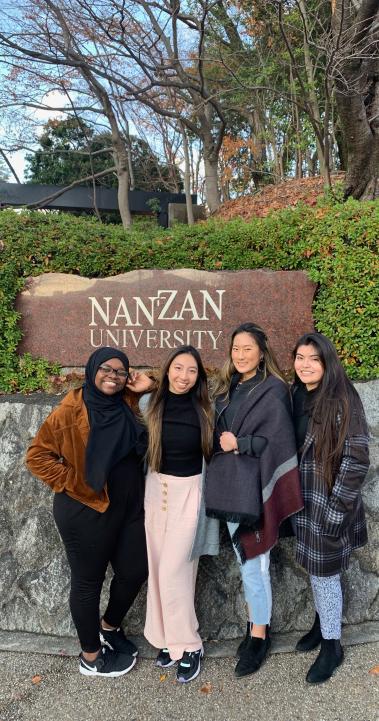
Direct Enrollment - Nanzan University
Fall/
Spring/
Academic Year
1 Semester College-level
The Student Experience


La Mercè 2026: Experiencing Barcelona’s Biggest Celebration
From human towers and fire-filled streets to an amazing drone show, La Mercè was one of my favorite ways to experience Catalan culture and feel more connected...


Granada: To and Fro
Traveling to and from Granada is easy, but as someone who was scared it wouldn't be so simple at first, here's my experience and some tips and tricks.


Strange Sights in Madrid
Nathan ranks strange places he has encountered in Madrid by their off-putting vibes and connects with them in a way unique to humans.
How will study abroad redefine your world? We can’t wait to find out.